Many parents, teachers, and students often ask, “What is a good i-Ready diagnostic score?” The i-Ready Diagnostic is a widely used assessment tool that helps schools evaluate students’ reading and math skills. While the platform offers useful data, understanding the scores can sometimes be confusing. In this post, we’ll walk you through what makes a score “good,” how the scoring system works, and how to make the most of your results.
What is the i-Ready Diagnostic?
The i-Ready Diagnostic is an adaptive online assessment designed to measure students’ academic levels in reading and mathematics. The test is called “adaptive” because it changes based on the student’s answers. When a student answers questions correctly, the test gives them harder questions. If they answer incorrectly, it gives them easier ones.
The main goal of i-Ready is not just to give a number but to find out exactly what students know and what they still need to learn. The scores help teachers personalize instruction and create learning paths for each student.
How are i-Ready Scores Measured?
The i-Ready Diagnostic gives students a scale score. These scores usually range from 100 to 800, depending on the subject and grade level. Every grade has its own expected score range, so a good score for a second grader will be very different from a good score for a fifth grader.
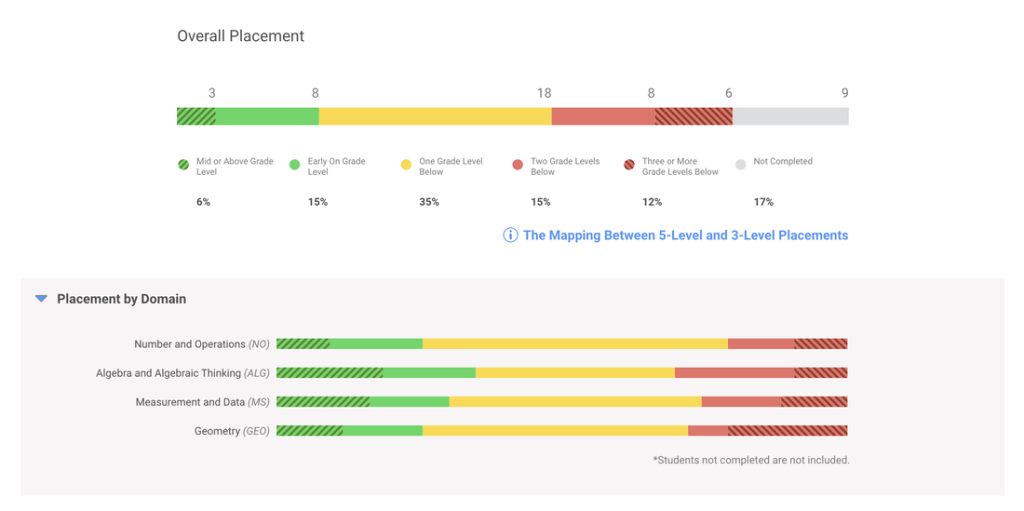
i-Ready also provides placement levels such as Mid or Above Grade Level, Early on Grade Level, or Below Grade Level, which help explain whether the student is meeting expectations for their grade.
Students usually take the i-Ready Diagnostic three times a year—fall, winter, and spring—to track their academic growth.
What is Considered a Good i-Ready Score?
Reading Score Benchmarks (General)
While every school or district may have slight variations, here are common reading benchmarks:
- Grade 1: 400–470
- Grade 2: 465–515
- Grade 3: 510–560
- Grade 4: 550–600
- Grade 5: 580–630
If a student’s score is within or above these ranges, it is generally considered a good score for their grade level.
Math Score Benchmarks (General)
For mathematics, the typical ranges are similar:
- Grade 1: 400–470
- Grade 2: 470–520
- Grade 3: 510–560
- Grade 4: 550–600
- Grade 5: 580–630
Reaching these benchmarks or higher suggests that a student is performing at or above grade level.
What Matters More Than Just the Score?
Focus on Growth
A student’s growth over time is just as important as the score itself. For example, if a student was below grade level in the fall but shows significant improvement by spring, this is a strong sign of progress. Teachers look for consistent growth, not just a one-time high score.
Look at Individual Skills
i-Ready also breaks scores into domains, which are categories like phonics, vocabulary, algebra, or geometry. A student might have a great overall score but still need help in one specific area. These insights help teachers and parents focus on the skills that need attention.
Personalized Learning Paths
One of the best features of i-Ready is that it creates a personalized learning path based on diagnostic results. Students can work on targeted lessons designed to strengthen weak areas, helping them grow steadily throughout the year.
Tips for Parents and Students
- Celebrate Improvements: Even small growth is a step in the right direction.
- Be Patient: Every student learns at their own pace.
- Use i-Ready Lessons: Encourage students to complete their assigned lessons regularly.
- Talk to Teachers: Ask about your child’s diagnostic results and how you can help at home.
Final Thoughts
So, what is a good i-Ready diagnostic score? A good score is one that shows your child is meeting or exceeding grade-level expectations — but even more important is steady improvement over time. Whether your child is ahead or catching up, the i-Ready Diagnostic is meant to guide learning, not label students. Focus on growth, targeted learning, and celebrating progress to help students succeed.
 iReady Diagnostic Scores by Grade 2025-2026